
Stainless Steel Waterjet Cutting: A Comprehensive Guide
- mark99388
- Jan 12
- 4 min read
Waterjet cutting has revolutionised the way stainless steel is shaped and fabricated. This technology offers precision, versatility, and efficiency, making it a preferred choice in many industries. In this article, we will explore the fundamentals of stainless steel waterjet cutting, its advantages, applications, and tips for achieving the best results.
Understanding Stainless Steel Waterjet Cutting
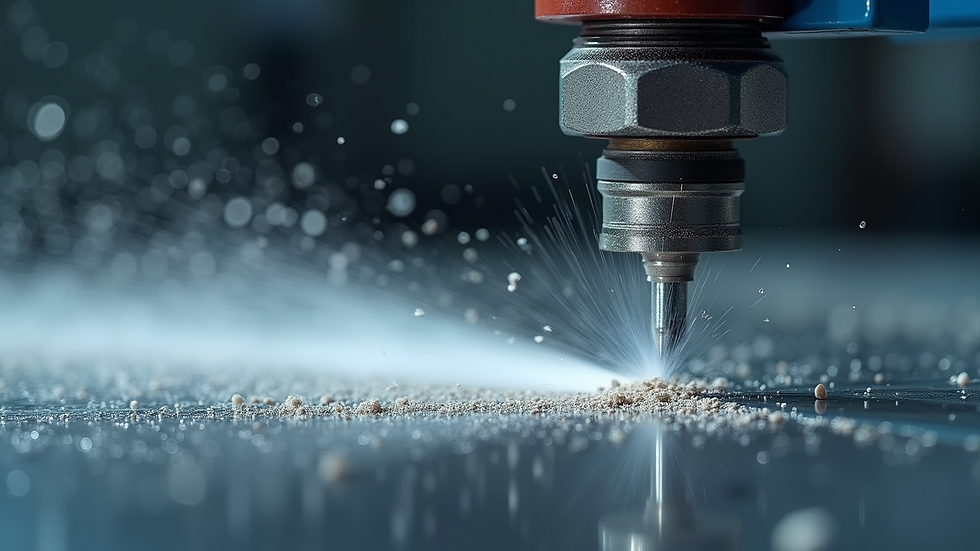
Waterjet cutting is a process that uses a high-pressure stream of water, often mixed with abrasive particles, to cut through materials. When it comes to stainless steel, this method is particularly effective because it does not generate heat, which can alter the metal’s properties.
The process involves:
Pressurising water up to 60,000 psi or more.
Mixing the water with abrasive garnet particles for harder materials like stainless steel.
Directing the high-velocity jet at the stainless steel to cut through it cleanly.
This technique allows for intricate designs and complex shapes without the risk of warping or thermal distortion.
Benefits of Stainless Steel Waterjet Cutting
There are several reasons why waterjet cutting is preferred for stainless steel fabrication:
1. No Heat-Affected Zone (HAZ)
Unlike laser or plasma cutting, waterjet cutting does not produce heat. This means the stainless steel retains its original mechanical properties, such as strength and corrosion resistance.
2. Precision and Accuracy
Waterjet cutting can achieve tolerances as tight as ±0.1 mm. This precision is ideal for applications requiring detailed cuts and smooth edges.
3. Versatility
Waterjet cutting can handle stainless steel sheets of varying thicknesses, from thin foils to thick plates. It also works well with other materials, allowing for multi-material projects.
4. Environmentally Friendly
The process uses water and natural abrasives, producing minimal waste and no hazardous gases.
5. Minimal Material Waste
The narrow kerf (cut width) reduces material loss, making it cost-effective.
6. Smooth Edges
Cuts made by waterjet are clean and often require little to no secondary finishing.
Applications of Waterjet Cutting in Stainless Steel Fabrication
Waterjet cutting is widely used across industries due to its adaptability and precision. Some common applications include:
Architectural Components: Creating decorative panels, railings, and intricate designs.
Automotive Parts: Cutting gaskets, seals, and custom components.
Aerospace Industry: Fabricating parts that require high precision and material integrity.
Medical Devices: Producing surgical instruments and implants with exact specifications.
Food Processing Equipment: Manufacturing hygienic and corrosion-resistant parts.
For example, a manufacturer producing stainless steel kitchen equipment can use waterjet cutting to create complex shapes for sinks and countertops without compromising the metal’s durability.

How to Optimise Waterjet Cutting for Stainless Steel
To get the best results from waterjet cutting stainless steel, consider the following tips:
Choose the Right Abrasive
Garnet is the most common abrasive used. The grain size and hardness affect the cut quality and speed. Finer grains produce smoother edges but cut slower.
Adjust Pressure and Speed
Higher pressure increases cutting speed but may reduce edge quality. Slower cutting speeds improve precision but take longer. Finding the right balance is key.
Use Proper Water Quality
Clean, filtered water prevents nozzle clogging and ensures consistent cutting performance.
Maintain Equipment Regularly
Nozzle wear affects cut quality. Regular inspection and replacement of nozzles and orifices are essential.
Design with Waterjet in Mind
Avoid sharp internal corners smaller than the nozzle diameter, as the jet cannot cut perfectly tight radii. Also, consider the material thickness and complexity when planning cuts.
Comparing Waterjet Cutting to Other Methods for Stainless Steel
When selecting a cutting method, it’s important to understand how waterjet cutting compares to alternatives like laser and plasma cutting.
| Feature | Waterjet Cutting | Laser Cutting | Plasma Cutting |
|-----------------------|-------------------------------|------------------------------|-----------------------------|
| Heat Affected Zone | None | Present | Present |
| Material Thickness | Up to 150 mm or more | Up to 20 mm (typically) | Up to 50 mm |
| Precision | High (±0.1 mm) | Very High (±0.05 mm) | Moderate |
| Edge Finish | Smooth, minimal finishing | Very smooth | Rough, requires finishing |
| Material Versatility | Very high (metals, composites) | Limited (mostly metals) | Limited (conductive metals) |
| Cost | Moderate | High | Low to moderate |
Waterjet cutting is ideal when heat sensitivity is a concern or when working with thick stainless steel plates. It also excels in cutting complex shapes without distortion.
Practical Examples of Stainless Steel Waterjet Cutting
Example 1: Custom Kitchen Fixtures
A company specialising in bespoke kitchen designs uses waterjet cutting to create stainless steel backsplashes with intricate patterns. The process allows them to produce unique designs quickly without compromising the metal’s finish.
Example 2: Aerospace Component Fabrication
An aerospace manufacturer requires stainless steel parts with tight tolerances and no heat damage. Waterjet cutting meets these needs by delivering precise cuts while preserving material integrity.
Example 3: Industrial Machinery Parts
Waterjet cutting is used to produce stainless steel gaskets and seals for heavy machinery. The clean edges and exact dimensions ensure proper fitting and performance.
Final Thoughts on Stainless Steel Waterjet Cutting
Waterjet cutting offers a powerful solution for fabricating stainless steel components with precision and care. Its ability to cut without heat, combined with versatility and environmental benefits, makes it a valuable tool in modern manufacturing.
For those looking to enhance their production capabilities, investing in waterjet cutting technology or partnering with experienced service providers can lead to improved quality and efficiency.
If you want to learn more about waterjet cutting stainless steel, explore the latest techniques and equipment options available in the market.
By understanding the capabilities and best practices of stainless steel waterjet cutting, manufacturers and designers can unlock new possibilities in their projects, ensuring superior results every time.

Comments